


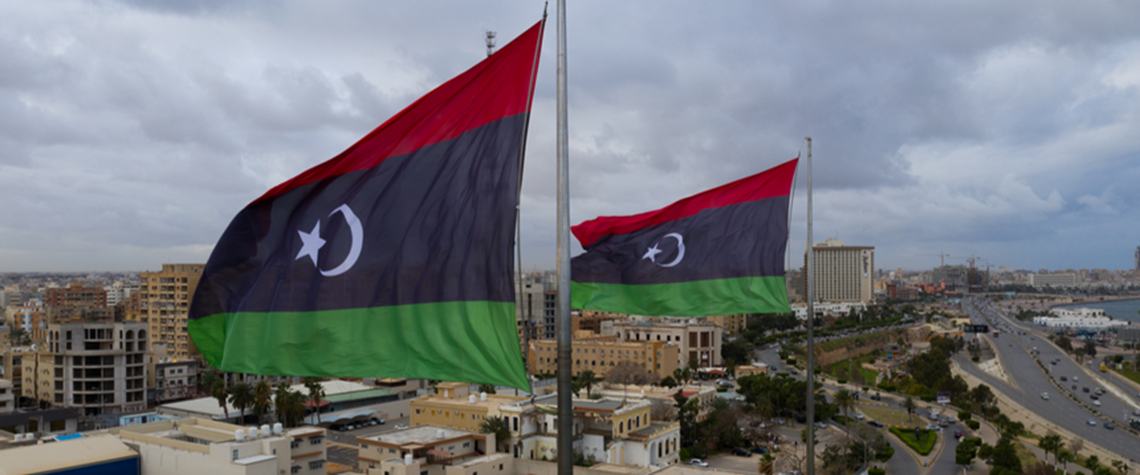
Libyan elections were meant to be held in late December
Libya’s oil industry faces renewed turbulence
After a year of relative calm, chaos has returned to Libya with the cancellation of planned elections and the emergence of two rival prime ministers
The struggle between Libya’s sitting prime minister, Abdulhamid Dbeibeh, and the man parliament wants to replace him with, Fathi Bashagha, is likely to be protracted. Neither man seems likely to devise a cabinet acceptable to all of Libya’s armed factions, raising the possibility of a return to the civil war that was suspended by a UN-brokered ceasefire in 2020. This spells a period of uncertainty for the oil sector, as Libya’s National Oil Corporation (NOC) is caught in the country’s political battles. Elections had been set for 24 December 2021, the 70th anniversary of Libya’s independence, and were to have been the culmination of a two-year-long UN peace process. That process saw two warr

Also in this section
28 April 2026
Oil traders warning of $200/bl oil are wrong, and the market should be wary of proclamations that the impact of the oil shortage has only begun to be felt and a that a ‘harsh adjustment’ is coming—even for industrialised nations
28 April 2026
Restoring supply from Saudi Arabia, the UAE, Kuwait, Qatar, Bahrain and Iraq involves complexities far beyond simply adjusting operational controls
28 April 2026
Datacentres will guzzle power at a ferocious rate, but the impact on wider energy markets will be far more complex than previously thought
28 April 2026
The key energy player faces balancing regional routes, political complexities, and creating a clear strategic vision for energy security


