


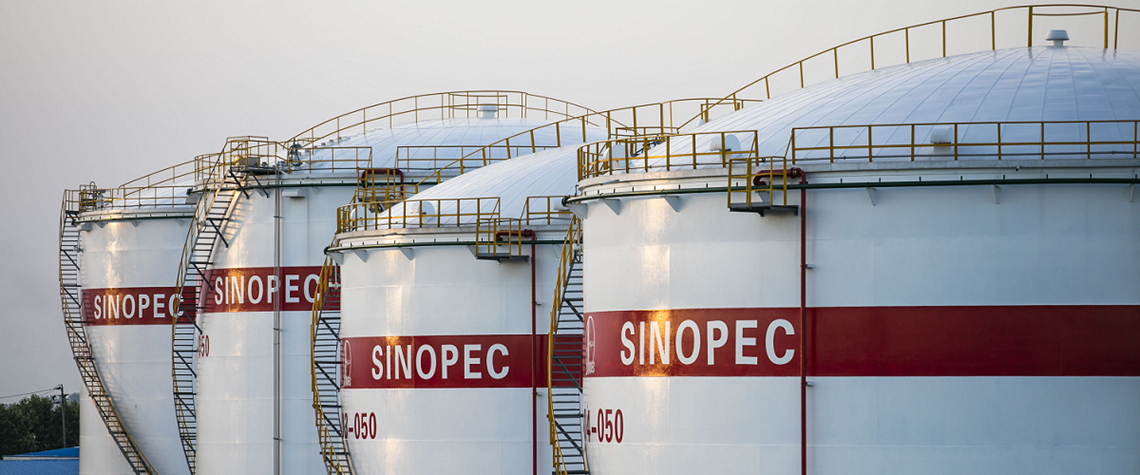
China's teapots are filling up
Chinese authorities are giving independent refiners greater freedom to source their own supplies of crude oil
Until recently, China's Hengli Petrochemical was a little-known manufacturer of chemical fibres. But in May, the group, based in the Port of Dalian in northern China, leapt into prominence when the commerce ministry gave it approval to import 400,000 barrels a day of crude oil, the biggest-ever quota for a privately-owned "teapot" refinery. Overnight, the decision made Hengli an important buyer of Saudi Arabian crude oil. The first shipment, reportedly 2m spot barrels of medium crude, was being loaded in June and fed into Hengli's new refinery for trial runs. Clearly, the quota is directly connected to the refinery, which has a capacity of 400,000 b/d and is designed to process Saudi medium

Also in this section
9 April 2026
The April 2026 issue of Petroleum Economist is out now!
2 April 2026
Alongside a rapid continued build-out of renewables, China’s latest five-year plan stresses the value of domestic hydrocarbon production for energy security and calls for increased Russian gas imports
2 April 2026
The government is taking important steps to revive domestic production, lift investment and benefit from the geopolitical crisis even if more needs to be done in the longer term
1 April 2026
Golden Pass’s startup offers QatarEnergy a timely boost but may also force a difficult choice between honouring disrupted contracts and capitalising on soaring spot LNG prices


