


Sea change for shipping sector
New rules are imminent and will have a big impact on the global fuel oil sector
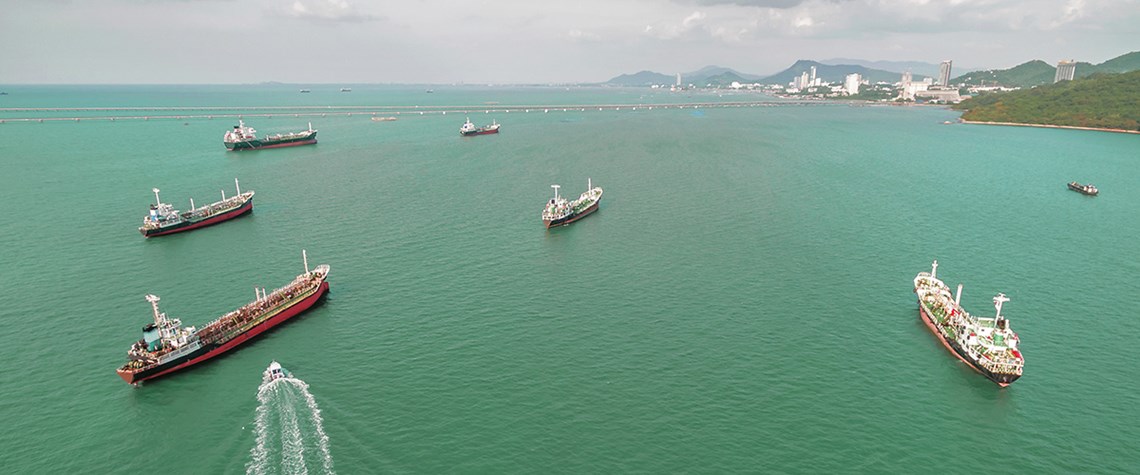
Only two years remain before world shipping must conform to the International Maritime Organization's (IMO) Marpol "Annex VI" regulation to reduce sulphur content in marine fuels. Market participants agree that this is a major and potentially disruptive change, but say fuel suppliers and shippers seem to be approaching the deadline with equanimity. "Fundamentally, people are not prepared, in the sense that they're not doing anything differently" ahead of the deadline, says Andrew Laven, regional manager for Middle East and Africa at the Bomin Group, a bunkering company with operations worldwide. He points out that many in the industry believe evaluations that there will be enough 0.5% sulphu

Also in this section
24 March 2026
It is an unusual story of out with the new and in with the old, as America First Refining shows the US going back to trusted energy security developments
23 March 2026
A complex and sometimes contradictory web of factors that include unpredictable oil prices, the globalisation of LNG markets, the expansion of Middle Eastern sovereign capital and the growth of datacentre demand will shape the energy landscape beyond 2026
23 March 2026
The Strait of Hormuz crisis highlights how key waterways can become global chokepoints
20 March 2026
Attacks on key oil and LNG assets across the Gulf mean a prolonged supply disruption, with damage to Qatar’s export capacity undermining confidence in the global gas system


