


The sluggish EV revolution
The switch to EVs will be slower than widely predicted—unless China takes the plunge
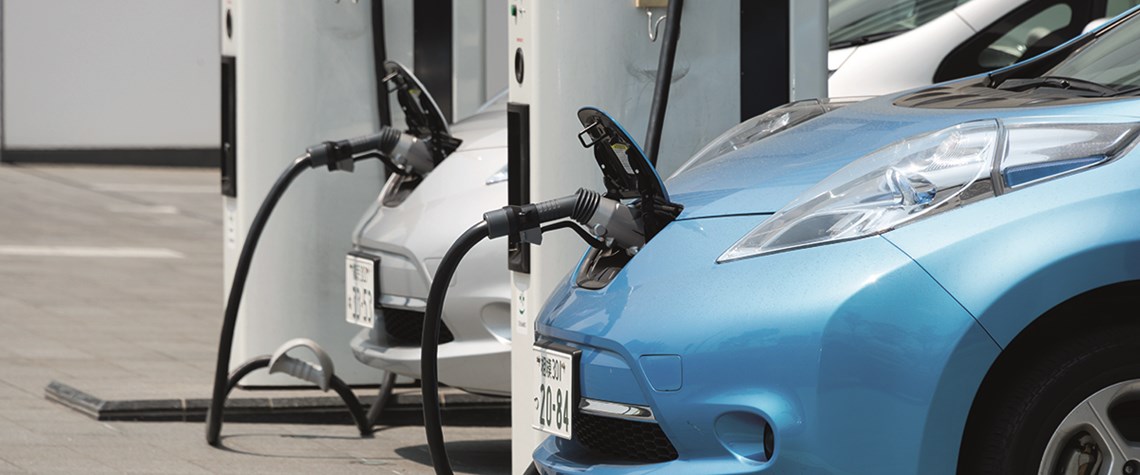
Electric vehicles (EV) are surging" is a headline we've often read over the past year. It seems inevitable: the electric-car revolution is around the corner and the end of growing oil demand is nigh. Yet global oil consumption continues to rise, predominantly driven by low oil prices and strong demand from the transportation sector. None of the fundamental shortcomings of electric cars has been eliminated over the past year: there hasn't been a breakthrough in battery technology and it's unlikely we'll see one in 2018. EVs are still heavily reliant on government subsidies and will remain so. Even with today's low number of electric cars, the inadequacy of charging infrastructure is already a

Also in this section
2 April 2026
Alongside a rapid continued build-out of renewables, China’s latest five-year plan stresses the value of domestic hydrocarbon production for energy security and calls for increased Russian gas imports
2 April 2026
The government is taking important steps to revive domestic production, lift investment and benefit from the geopolitical crisis even if more needs to be done in the longer term
1 April 2026
Golden Pass’s startup offers QatarEnergy a timely boost but may also force a difficult choice between honouring disrupted contracts and capitalising on soaring spot LNG prices
1 April 2026
It is not a case of if or when, but the length and magnitude of economic damage from elevated oil prices


