


Newsletters | Request Trial | Log in | Advertise | Digital Issue   |   Search
  • Upstream
  • Midstream & Downstream
  • Gas & LNG
  • Trading & Markets
  • Corporate & Finance
  • Geopolitics
  • Podcasts
Search
Related Articles
Hormuz crisis delivers tailwinds for US LNG
Disruptions to Qatari LNG exports have highlighted the risks of concentrated supply, potentially strengthening the long-term position of US exporters despite limited near-term flexibility
Trump’s bid to reshape the global energy order
From Venezuela to Hormuz, the US—backed by the most powerful military force ever assembled—is redrawing not only oil and gas flows but also the global balance of energy power
Energy dominance as diplomatic leverage
Energy sanctions are becoming an increasingly prominent tool of US foreign policy, with the country’s growth in oil and gas production allowing it to impose pressure on rivals without jeopardising its own energy security or that of its allies, argues Matthew McManus, a visiting fellow at the National Center for Energy Analytics
Trump’s gasoline price pledge paradox
The US president has repeatedly promised to lower gasoline prices, but this ambition conflicts with his parallel aim to increase drilling and could be upended by his war against Iran
Middle East oil vulnerabilities have been exposed
The killing of Iran’s Supreme Leader Ayatollah Khamenei in US–Israeli strikes marks the most serious escalation in the region in decades and a bigger potential threat to the oil market than the start of the Russia-Ukraine crisis
HPI Market Data Book 2026: Global construction – Americas
Capex is concentrated in gas processing and LNG in the US, while in Canada the reverse is true
A dual-coast LNG strategy
Sempra Infrastructure’s vice president for marketing and commercial development, Carlos de la Vega, outlines progress across the company’s US Gulf Coast and Mexico Pacific Coast LNG portfolio, including construction at Port Arthur LNG, continued strong performance at Cameron LNG and development of ECA LNG
Letter from Iran: Testing times for Tehran-Beijing crude dynamics
Growing pressure from the Trump administration continues to threaten a resilient China-Iran oil nexus
OPEC+’s cohesive restraint
The alliance is keeping output on track and the market in balance amid geopolitical tensions and a fragile supply-demand ledger
Letter from the US: The curse of strong energy exports
Rebuilding industry, energy dominance and lower energy costs are key goals that remain at odds in 2026
Opec Shale US
Peter Ramsay
29 June 2021
Follow @PetroleumEcon
Forward article link
Share PDF with colleagues

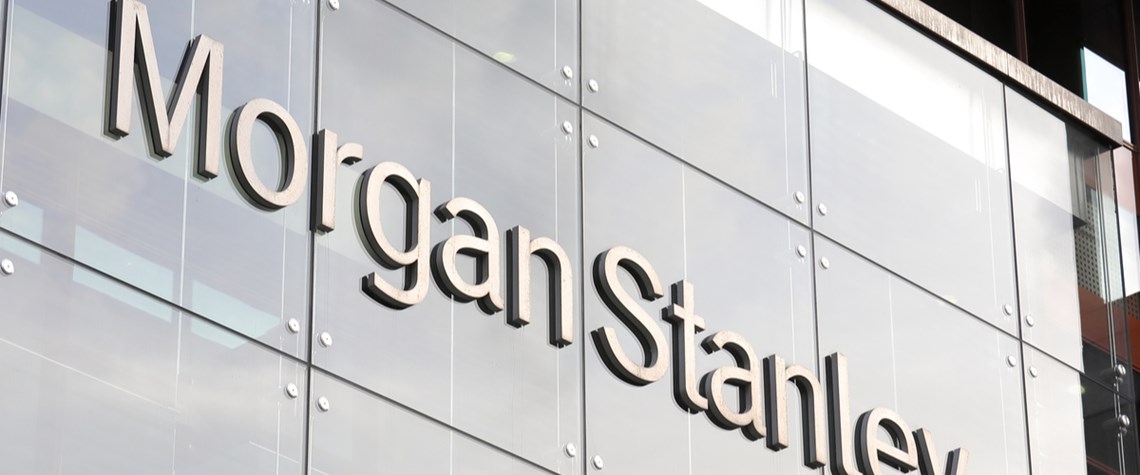
Opec can have cake and eat it—Morgan Stanley

No longer having to choose between price and market share means the cartel does not need to rush to ease cuts, says analyst

“Opec is finding itself in an extraordinarily positive environment,” Martijn Rats, global oil strategist and head of European energy research, told the “Crude Oil Markets: What Lies Ahead for 2021?” webinar organised by consultancy Renaissance Energy Advisors and the Energy and Commodities Club of the Bayes Business School at London’s City University. And this may, in his view, influence how quickly it eases production curbs even at stronger prices. “The historical trade-off has always been one between do you want high prices now or do you want market share in the future. In the past, these things have been contradictory to each other, you cannot have both at the same time. If you overcook i

Also in this section
A bigger and longer crisis
20 March 2026
Attacks on key oil and LNG assets across the Gulf mean a prolonged supply disruption, with damage to Qatar’s export capacity undermining confidence in the global gas system
How Russia gains from the Hormuz supply shock
20 March 2026
The US may be systemically stripping Russia of key geopolitical allies, but Moscow can reap rewards from the Hormuz crisis, both in the short and long term
Hormuz crisis delivers tailwinds for US LNG
20 March 2026
Disruptions to Qatari LNG exports have highlighted the risks of concentrated supply, potentially strengthening the long-term position of US exporters despite limited near-term flexibility
Through the oil looking glass
20 March 2026
The extent of the US-Israel war with Iran means there will be no going back to the previous market equilibrium no matter how the conflict ends

Share PDF with colleagues

COPYRIGHT NOTICE: PDF sharing is permitted internally for Petroleum Economist Gold Members only. Usage of this PDF is restricted by <%= If(IsLoggedIn, User.CompanyName, "")%>’s agreement with Petroleum Economist – exceeding the terms of your licence by forwarding outside of the company or placing on any external network is considered a breach of copyright. Such instances are punishable by fines of up to US$1,500 per infringement
Send

Forward article Link

Send
Sign Up For Our Newsletter
Project Data
Maps
Podcasts
Social Links
Featured Video
Home
  • About us
  • Subscribe
  • Reaching your audience
  • PE Store
  • Terms and conditions
  • Contact us
  • Privacy statement
  • Cookies
  • Sitemap
All material subject to strictly enforced copyright laws © 2025 The Petroleum Economist Ltd
Cookie Settings
;

Search
