


Pumping the US brakes
Output will rise again in 2018, but less drilling and greater capital discipline will slow growth
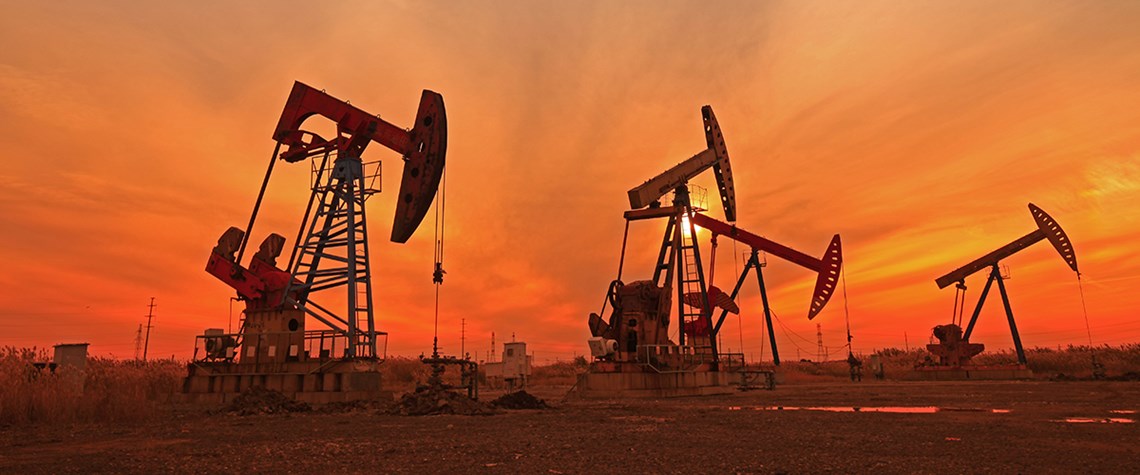
America's tight oil producers will add new supply in 2018, but the pace of additions will slow. Investors have been fretting over the growth-at-all-costs model, and a more tempered approach will take hold. Drilling activity rose sharply from June 2016 to June 2017; the rig count in the top four tight oil basins more than doubled. Production tends to lag a new well by about six months, so that run-up fuelled strong output growth through 2017. But the rig count crested in the summer and fell back to about 520 rigs for the rest of 2017. Unless a sudden price surge changes things quickly, the effect will be felt in early 2018. The huge backlog of drilled but uncompleted wells—the now-famous Ducs

Also in this section
24 March 2026
It is an unusual story of out with the new and in with the old, as America First Refining shows the US going back to trusted energy security developments
23 March 2026
A complex and sometimes contradictory web of factors that include unpredictable oil prices, the globalisation of LNG markets, the expansion of Middle Eastern sovereign capital and the growth of datacentre demand will shape the energy landscape beyond 2026
23 March 2026
The Strait of Hormuz crisis highlights how key waterways can become global chokepoints
20 March 2026
Attacks on key oil and LNG assets across the Gulf mean a prolonged supply disruption, with damage to Qatar’s export capacity undermining confidence in the global gas system


