


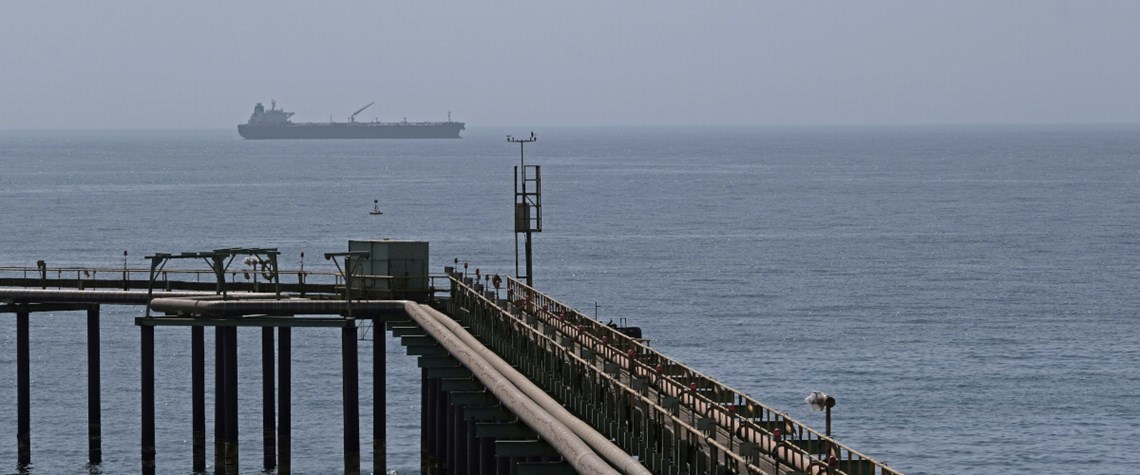
A tanker leaving Libya's Zueitina oil terminal
Libya scrambles to protect output recovery
The Tripoli administration moves against its own central bank to try to prevent another blockade
Crisis-torn Libya has taken the unprecedented step of denying its own central bank access to oil income. The move seeks to safeguard the country’s faster-than-expected oil production recovery amid concerns that eastern general Khalifa Haftar will re-impose an oil-targeted blockade. Haftar, whose Libyan National Army controls the bulk of oil facilities, lifted eight-month restrictions on fields and ports—that had depressed output to c.90,000bl/d—in late September on condition that a new commission is formed to decide how oil revenues are spent. Since then, output has ramped up faster than most analysts predicted, returning this month to its pre-blockade level of 1.2mn bl/d. But that progress

Also in this section
29 April 2026
The UAE’s exit from the alliance marks a decisive step towards a world in which oil markets are shaped less by collective management and more by national strategy
29 April 2026
Trafigura’s $1b prepayment agreement confirms African resource holders’ renewed interest in oil-backed financing deals as they look to capitalise on high oil prices
29 April 2026
The UAE’s departure from the oil producers’ group was a surprise to many, but the move can be traced back to a single point five years ago
28 April 2026
Oil traders warning of $200/bl oil are wrong, and the market should be wary of proclamations that the impact of the oil shortage has only begun to be felt and a that a ‘harsh adjustment’ is coming—even for industrialised nations


