


Iran sanctions cycle set to repeat
The country is no stranger to its energy industry blowing in the political wind
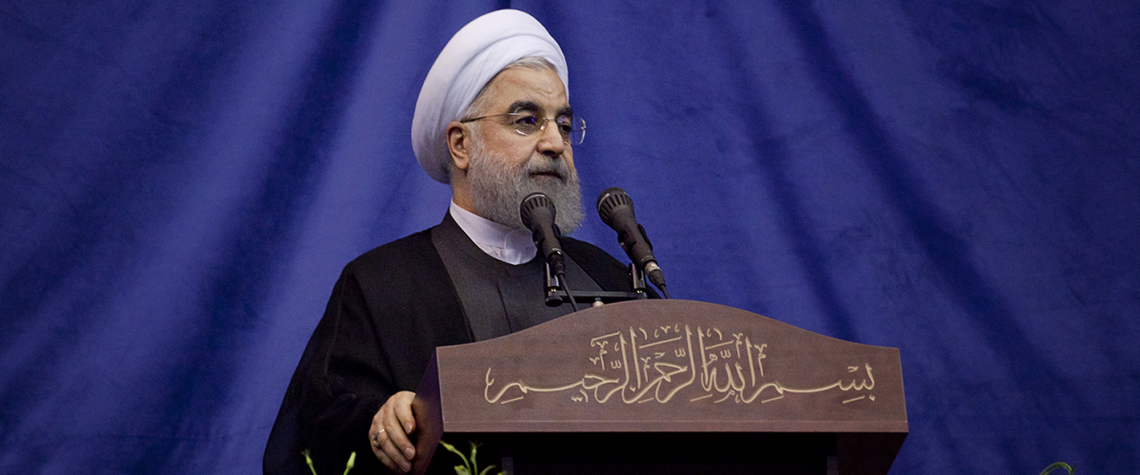
Politics has bedevilled Iran's energy sector ever since the Iranian Revolution of 1978-9, but even as far back as the premiership of Mohammad Mossadegh in the 1950s. Development of the country's vast oil, and especially gas, reserves has progressed during periods of détente, but been set back when political tensions heighten. The full re-imposition of US sanctions from 4 th November 2018 is set to usher in another such period of turmoil. Iran faces political challenges on four fronts-within different factions of the regime; between the regime and ordinary Iranians; with its Arab neighbours; and with the US and the other leading international powers. The reputation of the Rouhani administrati

Also in this section
24 March 2026
It is an unusual story of out with the new and in with the old, as America First Refining shows the US going back to trusted energy security developments
23 March 2026
A complex and sometimes contradictory web of factors that include unpredictable oil prices, the globalisation of LNG markets, the expansion of Middle Eastern sovereign capital and the growth of datacentre demand will shape the energy landscape beyond 2026
23 March 2026
The Strait of Hormuz crisis highlights how key waterways can become global chokepoints
20 March 2026
Attacks on key oil and LNG assets across the Gulf mean a prolonged supply disruption, with damage to Qatar’s export capacity undermining confidence in the global gas system


