


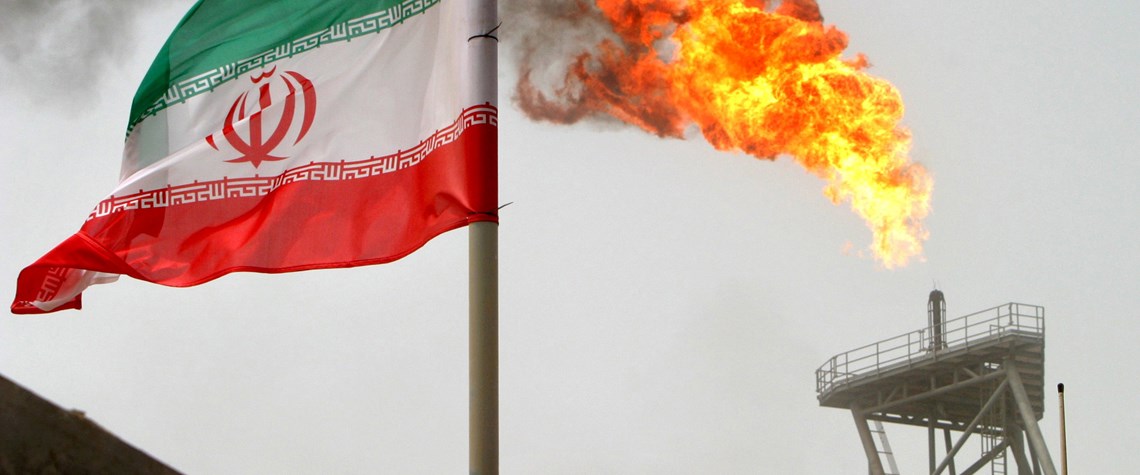
Iran's resistance stiffens as US pressure grows
Minor incidents in and around the Gulf have failed to trigger a major conflict, but diplomats are struggling to ease tensions
An "evil maturity" of US sanctions has tightened around Iran, according to oil minister Bijan Zanganeh, making conditions worse than during the Iran-Iraq War. The government has limited options on the economic front, but the means to strike back diplomatically and militarily. Prior to the re-imposition of sanctions in November 2018, oil exports were running at about 2.7mn bl/d. April was the last month before the expiry of all US waivers, and Iran exported almost 1.2mn bl of crude and condensate, though some of this was delivered to storage. China took almost half of the total, India another quarter, and Japan, South Korea and Turkey the rest. In May, this was slashed to barely 0.5mn bl/d, v

Also in this section
24 March 2026
It is an unusual story of out with the new and in with the old, as America First Refining shows the US going back to trusted energy security developments
23 March 2026
A complex and sometimes contradictory web of factors that include unpredictable oil prices, the globalisation of LNG markets, the expansion of Middle Eastern sovereign capital and the growth of datacentre demand will shape the energy landscape beyond 2026
23 March 2026
The Strait of Hormuz crisis highlights how key waterways can become global chokepoints
20 March 2026
Attacks on key oil and LNG assets across the Gulf mean a prolonged supply disruption, with damage to Qatar’s export capacity undermining confidence in the global gas system


