


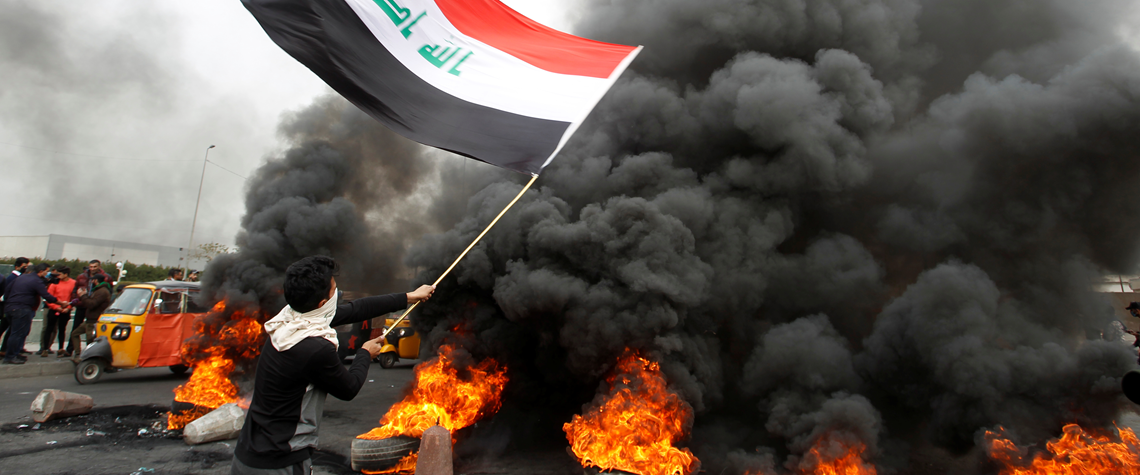
Iraq’s bounty risks bitter taste
After US-led mission helped to largely banish Islamic State from Iraq in 2018, the country has fast become a battleground for power in the region
Growing oil production should be a major win for oil-weary Iraq. But the country's increasingly lucrative share of global crude output has served to sharpen the appetites of Iran, the US, and other Middle Eastern neighbours to keep or extend a foothold in Iraq, seeing potential both for further oil production increments and strategic importance in a territory that has long borders with Iran, Saudi Arabia, Syria and Turkey. Iraq has long been in an uncomfortable position straddling the diplomatic divide between the US and Iran. With tensions at their highest in years, how Iraq’s position stuck between the two opposing powers plays out in the coming months could have an impact even beyond its

Also in this section
24 March 2026
It is an unusual story of out with the new and in with the old, as America First Refining shows the US going back to trusted energy security developments
23 March 2026
A complex and sometimes contradictory web of factors that include unpredictable oil prices, the globalisation of LNG markets, the expansion of Middle Eastern sovereign capital and the growth of datacentre demand will shape the energy landscape beyond 2026
23 March 2026
The Strait of Hormuz crisis highlights how key waterways can become global chokepoints
20 March 2026
Attacks on key oil and LNG assets across the Gulf mean a prolonged supply disruption, with damage to Qatar’s export capacity undermining confidence in the global gas system


