


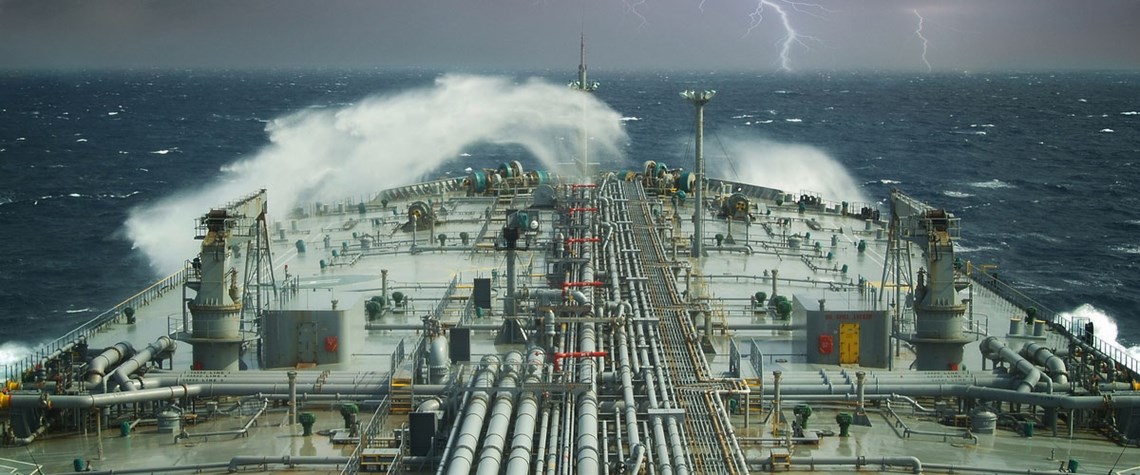
LNG is already the industry’s clear choice as transitional fuel
Shipping faces tough decarbonisation choices
Supply chains will be critical as the maritime sector looks for alternative fuels
Shipping accounts for significant greenhouse gas (GHG) emissions, and the industry is accelerating its efforts to meet ambitious UN decarbonisation goals. But it remains unclear which competing solution—or combination of solutions—will prevail. The International Maritime Organisation (IMO) is targeting a 50pc cut in GHG emissions from shipping by 2050, relative to 2008 figures, and wants to slash the sector’s carbon intensity—the amount of CO2 emitted per ton-mile—by 40pc by 2030 and 70pc by 2050. A coalition of IMO member states —which together control a major share of the world’s shipping tonnage and include Greece, Liberia, Japan, Malta, Switzerland and Singapore—propose the organisation

Also in this section
23 March 2026
A complex and sometimes contradictory web of factors that include unpredictable oil prices, the globalisation of LNG markets, the expansion of Middle Eastern sovereign capital and the growth of datacentre demand will shape the energy landscape beyond 2026
23 March 2026
The Strait of Hormuz crisis highlights how key waterways can become global chokepoints
20 March 2026
Attacks on key oil and LNG assets across the Gulf mean a prolonged supply disruption, with damage to Qatar’s export capacity undermining confidence in the global gas system
20 March 2026
The US may be systemically stripping Russia of key geopolitical allies, but Moscow can reap rewards from the Hormuz crisis, both in the short and long term


